How Different Coaching Philosophies Can Shape an Athlete
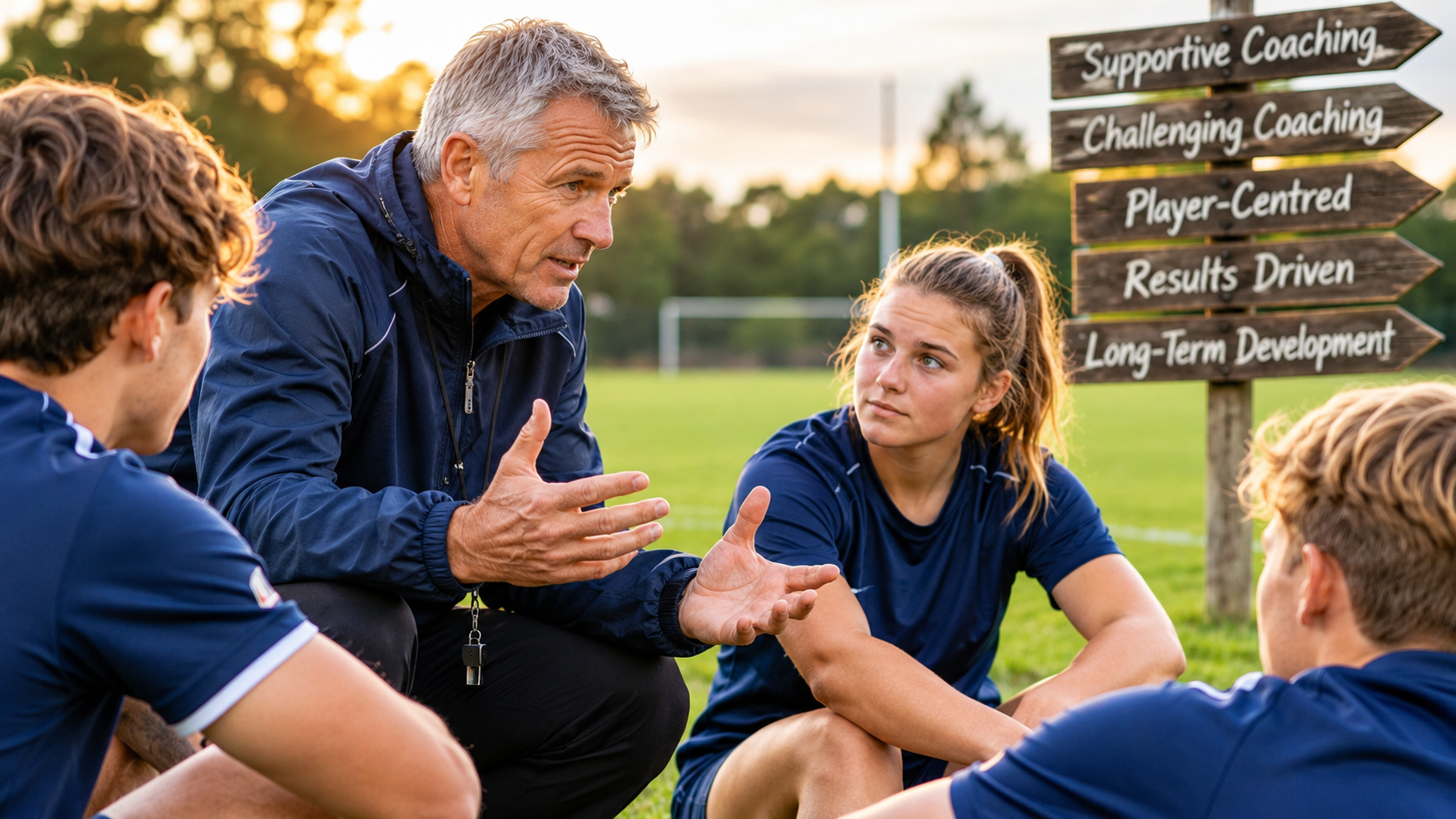
Coaching is about far more than teaching skills, improving technique, developing fitness, or preparing an athlete to compete. The way a coach communicates, the expectations they create, and the philosophy they adopt can have a profound effect on how an athlete develops, not only physically but psychologically and emotionally.
Having spent many years involved in sport as both an athlete and a coach, I have come to appreciate just how much the coaching environment can influence an individual's confidence, motivation, independence, and ability to deal with pressure. I have also learned that what works for one athlete may not necessarily work for another. Athletes are individuals, and the relationship they develop with their coach can play an important part in how they experience sport.
My own experiences, both as an athlete and later as a coach, have shaped the way I view this relationship.
My Own Experience as an Athlete
Growing up, I was fortunate to experience a relatively relaxed coaching environment. I was never subjected to excessive pressure or made to feel that my sporting performance determined my worth as an individual. The advice I received was simple: try your hardest, and from my parents, do your best because that is all that matters.
That message stayed with me.
Although I was playing within team environments and understood the importance of working collectively, I distinctly remember feeling that the only person I really had to impress was myself. I wanted to perform well, contribute to the team, and improve, but my motivation came from within rather than from a need to satisfy someone else's expectations.
I never felt that I was constantly being judged by an external voice. The voice I listened to most was my own.
Looking back, I believe this helped me develop a strong sense of personal responsibility. I learned to make decisions, evaluate my own performance, and take ownership of my actions. If I made a mistake, I had to deal with it. If I performed well, I could take satisfaction in knowing that it was the result of my own effort.
This environment gave me a sense of freedom, but it also taught me accountability. I wasn't playing simply to avoid criticism or to keep a coach happy. I was playing because I wanted to, and because I had my own standards.
That distinction has stayed with me throughout my life in sport.
Coaching Is About Developing the Person, Not Just the Player
When I began coaching rugby in the USA, I remember the confused looks I sometimes received from my players when I explained my philosophy. I told them that winning was not necessarily the most important thing. What mattered more was what they learned about themselves through the experience of playing.
I would ask them a simple question: when you walk off the field at the end of a game, can you honestly say you did your best? Did you give everything you had? Did you try your hardest?
And I applied exactly the same principle to practice. During difficult cardio sessions, when the players were tired, uncomfortable, and perhaps questioning why they were doing it, I wanted them to think about what they were learning about themselves. How did they respond when things became difficult? Did they give up mentally? Did they support their teammates? Did they discover that they were capable of pushing beyond what they had initially believed?
For some players, this was a very different way of looking at sport. They had become accustomed to the importance of winning, selection, performance expectations, and the coach's judgement. I wasn't suggesting that winning didn't matter, or that competition should be approached casually. I simply wanted them to understand that the result of a game was only one part of the experience.
The lessons they took from it could last considerably longer.
Different Coaching Philosophies, Different Psychological Effects
There is nothing inherently wrong with a demanding, structured, or highly competitive coaching philosophy. Some athletes thrive in environments where expectations are clearly defined, discipline is emphasised, and the coach provides detailed instructions. Others respond better to encouragement, autonomy, and the freedom to make their own decisions.
The difficulty arises when we assume that every athlete responds in the same way.
A coach who constantly directs, corrects, and makes decisions for an athlete may unintentionally create dependence. The athlete becomes accustomed to looking outside themselves for reassurance, approval, or confirmation that they are doing the right thing. Over time, they may begin to question their own judgement, particularly when the coach is absent or the competitive environment becomes unpredictable.
Equally, an athlete who receives very little guidance may feel unsupported, uncertain, or unable to understand what is expected of them. Freedom without communication, structure, or appropriate support can be just as frustrating as excessive control.
This is why I believe coaching is about understanding the individual. It requires the coach to recognise not only what an athlete needs physically and technically, but also how they respond emotionally to the environment in which they are developing.
The relationship itself can influence confidence, motivation, and how an athlete interprets success and failure.
The Influence of Coaches on Confidence and Self-Belief
Throughout my years working with athletes, I have seen how coaching relationships can influence the way an athlete sees themselves. Sometimes the issue isn't ability, commitment, or a lack of preparation. It is the way they have learned to think about their own performance.
An athlete who has spent years being criticised for mistakes may begin to associate making a mistake with disappointing someone. Instead of playing freely, they start protecting themselves. They hesitate, overthink, become cautious, and worry about the consequences of getting something wrong.
I have seen how this can affect athletes in different sports, particularly where the demands of performance, coaching expectations, and the fear of failure become intertwined.
When I work with athletes through hypnosis, I am often helping them reconnect with a sense of trust in themselves. Trust in their preparation, their ability, their decisions, and the freedom to perform without constantly evaluating themselves. It is something I believe coaches can also nurture through the environment they create.
An athlete should be able to make a mistake without feeling that their identity, their position in the team, or their relationship with the coach is suddenly under threat.
Mistakes are part of learning. They are part of competition. They are part of being an athlete.
How a coach responds to those mistakes can make a considerable difference to what the athlete takes away from the experience.
Finding a Balance Between Guidance and Independence
My own coaching experiences taught me that I didn't want my players simply following instructions. I wanted them to understand the game, think for themselves, communicate, and take responsibility for their decisions.
Team sport is particularly interesting in this respect because it requires a balance between individual responsibility and collective performance. Every player has a role, but the game doesn't always unfold according to a plan. Players have to adapt, read situations, and make decisions in real time.
If a player is constantly waiting for instructions, they may struggle when the situation requires initiative.
I wanted my players to develop an understanding that they were part of something bigger than themselves, but that their contribution mattered. The team depended on individuals making decisions, taking responsibility, and supporting one another.
That same philosophy has influenced how I work with athletes today. I don't want athletes to become dependent on me, my words, or the sessions we have together. My aim is to help them develop the confidence and mental skills that they can access independently, particularly when they are competing and I am nowhere near them.
The ultimate goal is for the athlete to trust themselves.
What Do Athletes Take Away From Sport?
When I look back at my own sporting experiences, I don't remember every result, every game, or every training session. What has stayed with me is what sport taught me about myself: persistence, responsibility, self-belief, handling adversity, and the importance of making my own decisions.
That is why I have always believed that coaching has a responsibility beyond the scoreboard.
Winning championships, improving performance, and achieving sporting goals are all important. But I also believe we should ask ourselves what happens to the athlete when they leave our environment. Have they become more confident in their own abilities? Are they better equipped to handle setbacks? Can they take responsibility without being afraid of making mistakes? Do they have a stronger understanding of who they are?
For me, these are some of the most important measures of coaching.
Different athletes will require different approaches, and there is no single philosophy that works for everyone. But regardless of whether a coach is demanding, supportive, structured, or relaxed, I believe the relationship should ultimately help an athlete develop rather than diminish their belief in themselves.
Sport can be an incredibly powerful environment for personal development, provided we allow athletes to experience it that way.
I have always believed that if you can genuinely learn about yourself, recognise your limitations, and continually push beyond the boundaries you once thought defined you, then you will achieve something far more valuable than simply winning on the field. You will develop qualities that serve you just as well away from sport. Self-reflection is one of the most powerful tools we have for personal development, but it has to be honest and constructive. It isn't about criticising yourself or dwelling on mistakes; it is about recognising what you did well, understanding what you could have done differently, and using those experiences to become a stronger, more confident individual.
I have always wanted athletes I coached to walk away knowing that they had given everything, learned something about themselves, and become a little stronger mentally as a result.
Because long after the final whistle, the medals, trophies, and results have faded into memory, the way an athlete learned to believe in themselves can stay with them for the rest of their life.