Golf Yips: Why They Happen and How to Regain Trust in Your Stroke
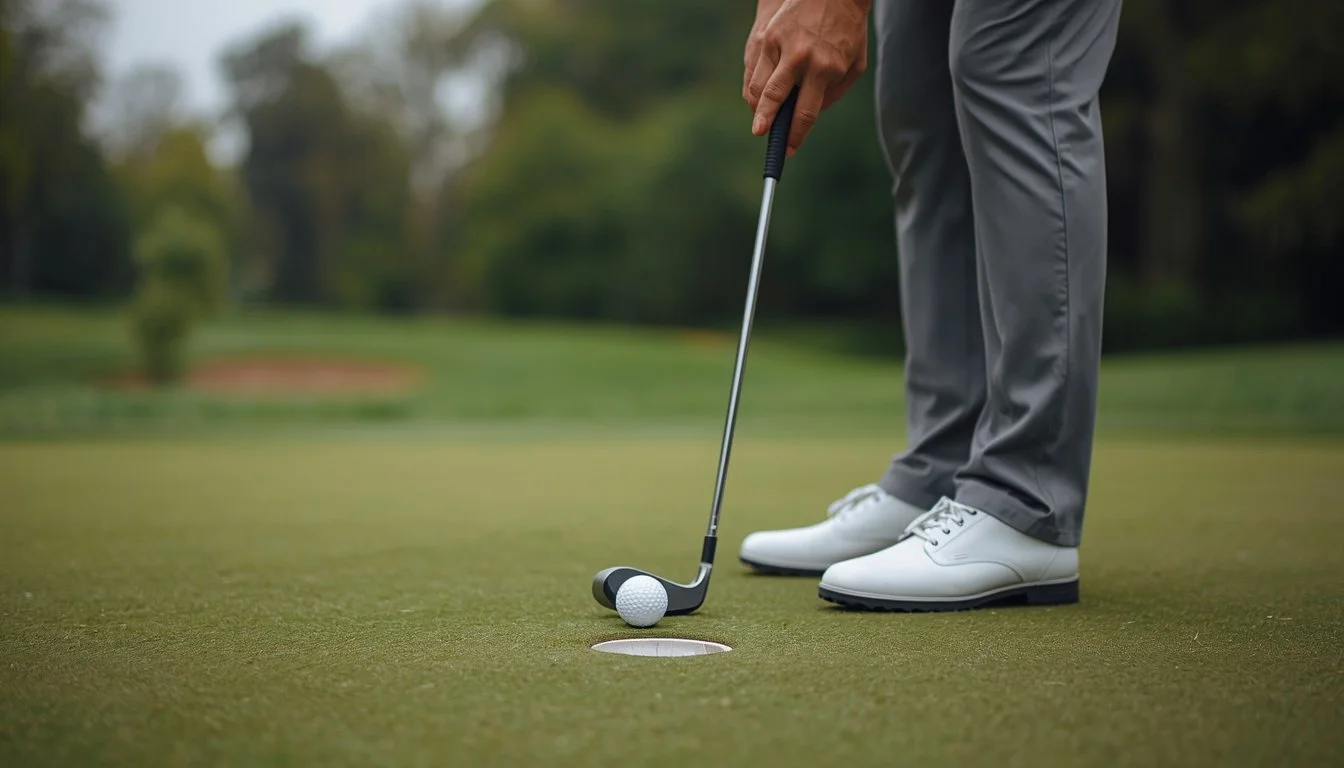
The golf yips can feel baffling and deeply frustrating. One week you are striking the ball cleanly; the next, a simple putt or chip becomes a tense, jerky movement that seems to happen before you can stop it. The yips are usually described as involuntary movements, tremors, freezing, or a sudden loss of control during a stroke—most commonly in putting, but they can also affect chipping and other short-game shots.
If this is happening to you, it does not mean you have forgotten how to play golf. It usually means your brain and body have become caught in a cycle of anticipation, tension and self-monitoring. The good news is that many golfers can make meaningful progress by understanding what is happening and rebuilding trust in a simpler, more automatic stroke.
What the yips actually are
The term “yips” covers a range of experiences. Some golfers notice a twitch or jerk in the hands or wrists just before impact. Others freeze over the ball, unable to start the stroke. Some feel a sudden tightening through the forearms, while others describe a complete breakdown in rhythm during chipping or putting.
Research suggests the yips are not caused by one single factor. For some golfers, they are linked to a task-specific neurological condition called focal dystonia, which involves involuntary muscle contractions during a highly practised movement. For others, they are more closely connected to performance anxiety and “choking,” where pressure causes attention to turn inward and disrupt a skill that should run automatically.
In practice, many golfers sit somewhere between these two extremes. Anxiety may not be the sole cause, but it can make the symptoms much worse—especially in competition, when the outcome feels important and the fear of repeating a bad stroke becomes stronger.
Why overthinking makes it worse
A good golf stroke relies on trust. When you are playing well, you see the target, make a decision, and let a well-practised movement happen. You are not consciously instructing your wrists, hands and forearms through every millisecond of the stroke.
The yips often begin when that trust is interrupted. Perhaps a few poor putts create doubt. Then you start analysing the stroke more closely: “Am I decelerating? Are my hands moving? Will I miss it again?” That increased self-focus can pull attention away from the target and onto the mechanics of the movement.
This creates a frustrating loop:
You fear a bad stroke.
You become tense and overly controlled.
The stroke feels unnatural or jerky.
The poor result confirms the fear.
Next time, the anticipation is even stronger.
Chipping yips can follow a similar pattern. Golfers may overthink technique, lose confidence, or become preoccupied with avoiding a chunked or bladed shot. That fear can disrupt the downswing and lead to poor contact.
Why practice does not always transfer
One of the most confusing parts of the yips is that many golfers can stroke putts or chip well on the practice green, then struggle badly on the course. This is not necessarily because their technique has disappeared. It is because the pressure of a real round changes the mental conditions under which the skill is performed.
On the practice green, there is usually less consequence. You can experiment, accept a poor putt, and move on quickly. During a round, every stroke can feel loaded with meaning: the score, your playing partners, your expectations, and the memory of previous yips episodes. That pressure increases arousal and self-consciousness, which can make an already sensitive movement feel even less reliable.
How to begin regaining trust
Recovery is rarely about finding one magical technical fix. It is about reducing the conditions that keep the fear alive and giving your body permission to move freely again.
Start by simplifying your routine. Choose one clear target, make one practice stroke, and commit to the shot. A longer routine can give you more time to worry; a shorter, decisive routine can help you act before doubt takes over.
Shift your focus outward. Instead of monitoring your hands or stroke, focus on a small target: a blade of grass, a spot on the hole, or the pace you want the ball to finish. External targets help keep attention on the task rather than on the movement itself.
Use acceptance rather than fighting the symptom. Trying desperately to stop a twitch often increases tension. A more helpful intention is: “I may feel some discomfort, and I can still make a committed stroke.” This does not eliminate the feeling immediately, but it reduces the extra layer of panic around it.
Finally, rebuild confidence in smaller steps. Practice short, non-threatening putts or chips where success is likely. Gradually increase distance, difficulty and pressure only as your sense of trust returns. The aim is not perfection; it is evidence that you can swing freely again.
How hypnosis can help
Hypnosis can be a useful complement to technical support because it works directly with attention, confidence and the automatic patterns that the yips disrupt. In a relaxed, focused state, a golfer can rehearse a smooth, committed stroke through imagery, reduce the emotional charge attached to previous bad shots, and practise responding calmly to pressure rather than freezing or over-controlling. Mental-skills approaches such as relaxation, visualisation and positive thinking are recognised ways to reduce anxiety, improve concentration and ease fear of the yips.
For golfers whose symptoms are primarily anxiety-driven, hypnosis may help interrupt the cycle of anticipation and self-monitoring. For those with more neurological symptoms, it should not replace medical assessment or appropriate treatment—but it can still support confidence, composure and a more constructive relationship with the stroke. The goal is simple: help you stop trying to control every part of the movement and start trusting the golfer you already are.