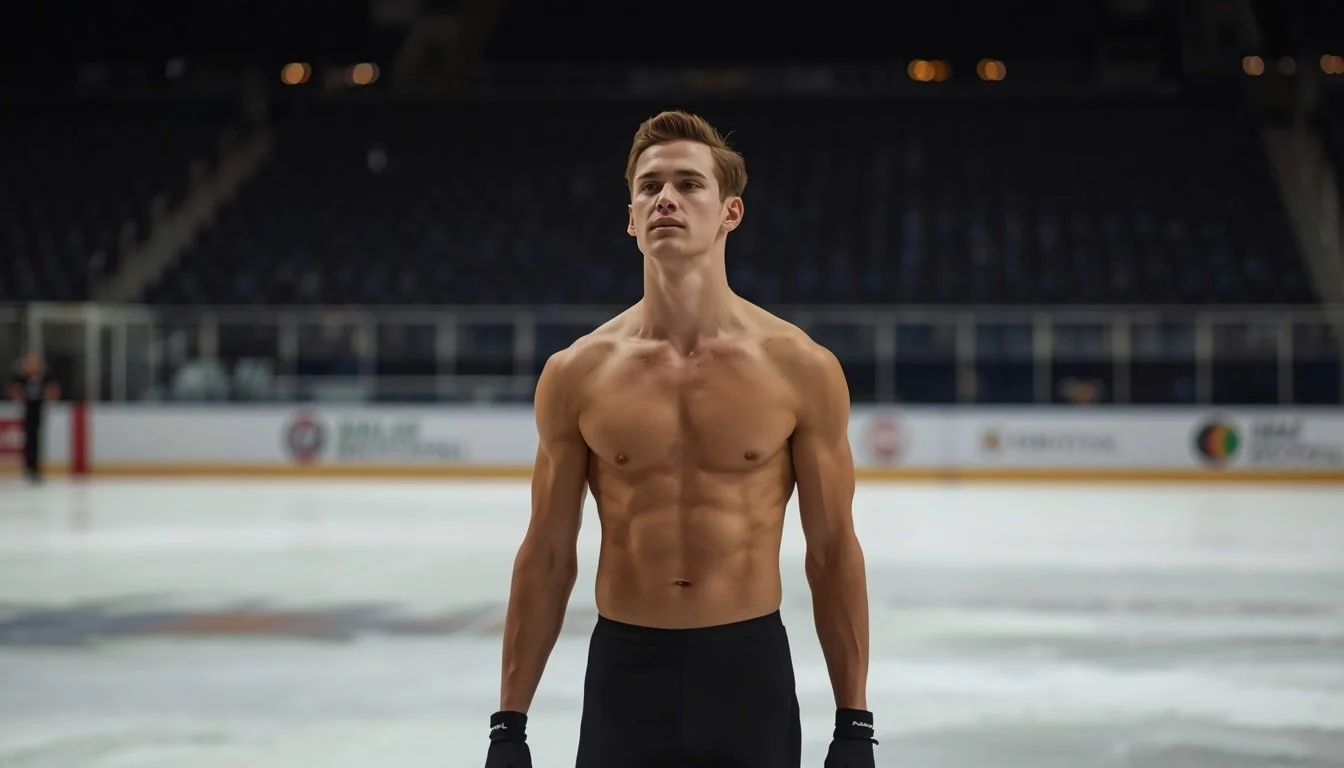
My Work With a Figure Skater Competing for the National Team
I worked with a figure skater who was training to qualify for the national team and recovering from a hip injury. Although he was continuing with his physical recovery, he was still experiencing some niggling pain, and that was beginning to affect his confidence in performing particular movements.
Rather than focusing on what he couldn't yet do, I wanted to help him focus his attention on what he could do.
Part of the work was helping him recognise how easily negative thoughts can develop after an injury. A small thought such as "What if it hurts again?" can lead to another thought, and then another. Before long, the athlete can become focused on protecting themselves rather than performing.
The objective was not to pretend the injury hadn't happened. It was to help him develop a different mental response—to acknowledge the thought, let it go, and bring his attention back to what he was physically capable of doing at that moment.
An Example of Mental Rehearsal
I used an imagery exercise based around the ice and the snow surrounding him:
Imagine those doubts as loose snowflakes gently swirling around you.
You don't have to fight them or push them away. Simply allow one to settle softly into the palm of your gloved hand.
And as you look at that snowflake, ask yourself: Is this thought helping me? What purpose is it serving? How does holding onto it make me feel?
Then notice the warmth of your hand beginning to melt the snowflake. The doubt becomes water, and the water simply washes away.
And as it disappears, your vision becomes clearer.
You return to the NOW.
Not what you couldn't do yesterday. Not what might happen tomorrow. Just what you can do today.
Feel your blades grip the solid ice.
Feel the strength in your body.
You are here to train your mind, your core and your artistry.
Breathe in focus.
And with each breath, allow yourself to trust a little more in what your body is already capable of doing.
Why I Use Mental Rehearsal
This is an example of how I can use hypnosis and imagery for injury recovery and return-to-play confidence. The imagery is always adapted to the individual athlete, their sport and where they are in their recovery.
The aim isn't to replace physical rehabilitation. It is to help the athlete mentally rehearse the confidence, focus and trust that they will need when they return to training and competition.