My Work with an Olympian: The Mental and Emotional Challenges of Professional Field Hockey
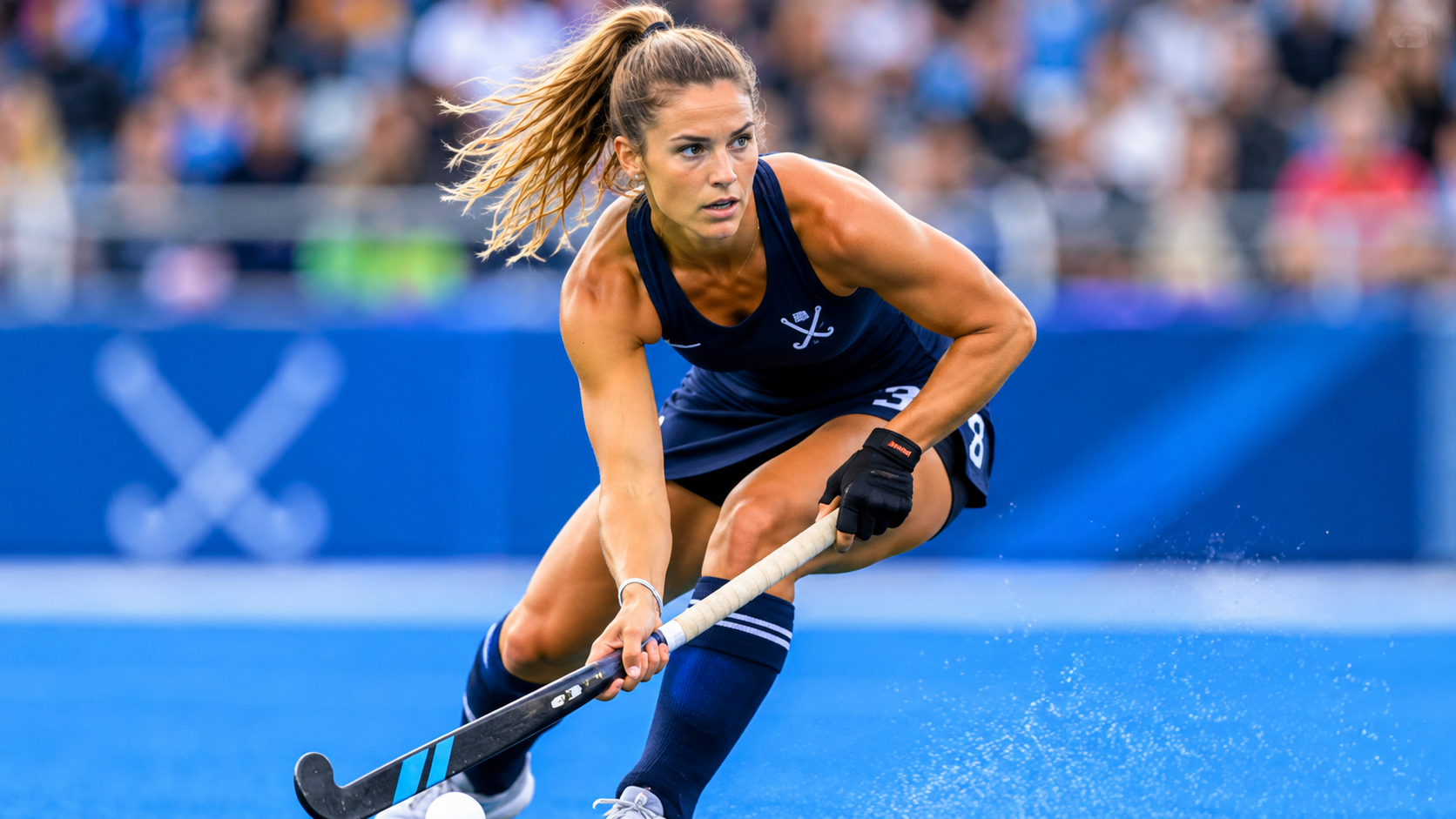
Understanding the Athlete Beyond the Performance
There is something quite remarkable about working with athletes who have reached the very highest levels of their sport. Professional, Olympic and national-level athletes possess an extraordinary level of focus, determination and commitment. However, something that I think is often overlooked is that, regardless of their achievements, they are still human beings. They experience the same everyday emotions as everyone else, alongside a whole additional set of emotional challenges created by the demands of competing at the highest level.
I have always felt that the general population has little understanding of what it actually takes to reach these levels of sporting achievement. From the television sports supporter to the recreational athlete, professional sport can make extraordinary performances look almost effortless. The grace of a figure skater, the controlled aggression of a rugby player or the incredible technical ability of an international field hockey player can appear almost commonplace when viewed through a television screen.
What people don't necessarily see is the sacrifice, the commitment, the physical demands and, perhaps most importantly, the emotional investment that goes into becoming an elite athlete. Many athletes make these sacrifices without any significant financial reward. Their motivation is simply to be the best they can possibly be.
Over the past two years, I have had the privilege of working with an athlete who understands this commitment exceptionally well. An Olympian who has represented their country more than 70 times, enjoyed a highly successful university career and now competes professionally in field hockey.
I work with this athlete throughout the year, and that continuity has allowed me to gain a much deeper understanding of the person behind the international sporting achievements.
What I have experienced working with this athlete has reinforced something I have believed throughout my career: the higher an athlete climbs in their sport, the more important it becomes to look after the person behind the performance.
The Emotional Ladder of Success
One of the things I have become particularly aware of during our two years working together is that every level of sporting achievement brings a different set of challenges.
Reaching national level is one challenge. Becoming an Olympian introduces another. Moving into professional sport creates an entirely new environment, with different expectations, responsibilities and pressures.
It is easy to assume that once an athlete has reached this level, confidence and self-belief simply become permanent characteristics. My experience suggests otherwise.
The athlete still has to negotiate coaching philosophies, team dynamics, selection decisions, changing responsibilities, physical conditioning, performance expectations and the constant demands of travel.
The touring lifestyle can initially be exciting and glamorous. New countries, different competitions and the opportunity to represent a club or country are wonderful experiences. However, the reality can also be exhausting. Travelling, training, competing, recovering and repeating the same routine can become mentally and emotionally draining.
It takes a very special individual to manage these demands while maintaining the concentration and commitment required to perform consistently.
I would argue that expecting an athlete to remain completely focused and emotionally balanced throughout such a demanding lifestyle is almost impossible. They are not machines.
This is an important distinction in my work. I am not simply interested in helping an athlete perform better during a match. I am interested in helping them maintain the psychological foundations that allow them to continue enjoying their sport, believing in themselves and recognising their own capabilities.
Why I Focused on Reinforcing the Ego
A significant part of my work with this athlete has centred on what I describe as ego reinforcement.
I don't use the word ego in the popular sense of arrogance, superiority or believing oneself to be better than others. I am referring to an athlete's internal sense of identity, self-worth, confidence and belief in their own abilities.
At elite level, this needs to remain in balance.
An athlete can have an exceptional playing record, represent their country at the Olympics and have more than 70 international appearances, yet still experience periods of uncertainty about their contribution, their position within a team or their personal development.
I have found that one of the most important things I can do in these circumstances is help the athlete reconnect with what they already possess.
We are not attempting to manufacture confidence or create an entirely different personality. We are reinforcing the qualities, abilities and experiences that have already taken them to the highest levels of their sport.
This is where hypnosis becomes particularly useful.
During our sessions, I use positive, constructive dialogue to reinforce the athlete's sense of identity and personal capability. We revisit the work they have put into their sport, the challenges they have overcome and the achievements that demonstrate their ability.
The emphasis is not on dwelling on past success, but on allowing those experiences to become a foundation for present confidence.
I want the athlete to recognise that their ability does not suddenly disappear because of a difficult training session, a disappointing performance or a change in circumstances.
Their achievements are evidence of their preparation, commitment and capability.
Through hypnosis, I reinforce this understanding, helping the athlete develop a more settled relationship with their own abilities.
Coaching Philosophies and the Importance of Recognition
Something else I have encountered through working with this athlete is how coaching philosophies and the relationships athletes develop with their coaches can significantly influence their emotional state and psychological well-being.
Many coaches combine elements of different approaches, adapting their style according to the athlete, the situation and the demands of competition. There is nothing inherently wrong with any particular coaching philosophy. However, difficulties can arise when athletes have to adjust to very different expectations, communication styles and levels of support, sometimes within a relatively short period.
For an athlete who has become accustomed to a particular coaching environment, moving into another can require considerable psychological adjustment. What was once familiar and reassuring may suddenly be replaced by different expectations, less feedback, or a greater demand for independent decision-making.
I believe a good coach should recognise when an athlete needs encouragement, acknowledgement or reassurance. This is not about constantly offering praise or removing accountability. It is about recognising that athletes are individuals who sometimes need to feel that their efforts, contributions and development are acknowledged.
When that recognition is absent, athletes can begin to lose their ability to evaluate their own performance objectively. They may start questioning whether they are progressing, whether they are meeting expectations or whether they are making a sufficient contribution to the team. This can be particularly unsettling when they have previously experienced a coaching environment where feedback, communication and direction were more readily available.
In my work, I use hypnosis to help athletes address the emotional consequences of these experiences. My aim is to help them develop a stronger internal reference point, rather than becoming overly dependent on external validation or the opinions of others.
We work on recognising personal standards, trusting their preparation and understanding that their value as an athlete is not determined solely by another person's opinions, comments or feedback.
The dialogue I use is positive, constructive and reinforcing:
You understand the work you have put into becoming the athlete you are today. You recognise your preparation, your commitment and the standards you set for yourself. Other people's opinions and feedback can provide valuable information from which you can learn, but they do not determine your personal worth or your understanding of your own abilities. You can listen, learn, adapt and continue to trust yourself. You know what you have invested in your development, and you can take confidence in the athlete you have become.
For me, this is an important part of maintaining emotional balance and psychological independence. An athlete should be able to accept constructive feedback, learn from different coaching approaches, and continue developing without allowing a lack of recognition or reassurance to undermine their confidence in themselves.
When a Change of Position Challenges Confidence
Another interesting aspect of working with this athlete has been the challenge associated with changing playing positions.
When an athlete has spent much of their career developing expertise in one particular position, they naturally develop a certain level of familiarity and confidence in the technical and tactical requirements associated with it.
They understand their responsibilities, anticipate situations and develop instincts that come through years of experience.
Being asked to play in a completely different position can therefore introduce a new set of challenges.
There is, of course, a positive side. Being selected for a different role can be exciting. It can demonstrate that a coach recognises the athlete's abilities and believes they have the potential to contribute in a new way.
However, there is also a learning curve.
The tactical awareness, positional responsibilities and decisions required may be quite different. Even an exceptionally experienced international player can find themselves having to think more consciously about situations that previously felt automatic.
I think this is where the emotional side of performance becomes particularly interesting.
An athlete can simultaneously feel excited about a new opportunity while experiencing uncertainty about their ability to fulfil the role to the same standard they have achieved in their established position.
My approach is not to interpret this uncertainty as a lack of ability. It is a natural response to being challenged in a new environment.
Through hypnosis, I work on reinforcing adaptability, confidence and the willingness to embrace the learning process.
We use mental rehearsal to help the athlete experience themselves performing successfully in different situations, recognising the new responsibilities and responding with composure.
The emphasis is on developing familiarity rather than creating pressure to be perfect immediately.
How I Use Hypnosis: Beyond Relaxation and Confidence
One misconception I often encounter about hypnosis is that it is primarily about relaxation.
Relaxation can certainly be part of the process, but in my work with athletes, hypnosis has a much more purposeful application.
With this field hockey player, our sessions are largely concerned with reinforcing existing psychological strengths, developing positive expectations and mentally rehearsing situations that may arise during competition.
I don't necessarily need to spend time revisiting technical skills. This is an international athlete with years of experience and an established skill set.
However, we do incorporate specific field hockey situations into our imagery work.
For example, drag flicks provide an opportunity to mentally rehearse a highly specific technical action. We can also work through different game scenarios, allowing the athlete to experience themselves making appropriate decisions, executing skills successfully and responding positively to the demands of the match.
The important part is that the imagery is not simply a visual exercise.
I want the athlete to experience the associated feelings and emotions.
What does it feel like to approach the ball with confidence? What does it feel like to execute a drag flick with commitment? What is the emotional response to seeing a successful outcome?
These are important elements of our work.
Through hypnosis, I use positive verbal dialogue to encourage the subconscious mind to become familiar with these constructive experiences.
We are reinforcing the relationship between the situation, the athlete's response and the positive emotional experience associated with successful performance.
I also incorporate scenarios in which the athlete encounters a challenging situation and responds with composure.
This is important because I don't want the athlete's confidence to become dependent on everything going perfectly.
Elite sport rarely works that way.
There will be mistakes, unexpected decisions, difficult opposition and situations that require immediate adjustment. I want the athlete to develop an expectation that they can deal with these circumstances positively and continue playing with freedom and confidence.
The Dialogue: Reinforcing the Athlete's Internal Confidence
An important part of my work is the language I use during hypnosis.
I want the dialogue to be personal, relevant and connected to the athlete's actual experiences. Generic motivational statements have limited value if they don't resonate with the individual.
For this athlete, I concentrate on reinforcing the following themes:
Recognising the journey that has brought them to international and professional hockey.
Maintaining confidence independently of external praise or criticism.
Accepting new challenges and positional responsibilities.
Trusting established skills and allowing them to become automatic.
Maintaining composure when situations do not go according to plan.
Enjoying the opportunity to compete without carrying unnecessary emotional pressure.
The dialogue is designed to reinforce an established identity rather than suggest that the athlete needs to become somebody else.
For example:
You have already demonstrated what you are capable of. Your journey through university hockey, international competition and the Olympic stage is a reflection of your commitment and dedication.
You don't need to prove your worth every time you step onto the field. You have earned your place through the work you have put in, and you can continue to build on that foundation.
Every new challenge provides another opportunity to develop. A different position, a different tactical responsibility or a different coaching approach simply gives you another opportunity to use your experience and adaptability.
You can trust yourself. You can recognise what you do well, learn from every experience and continue to play with freedom.
You don't need to carry the expectations of everybody around you. You can focus on your own preparation, your own decisions and the enjoyment of competing.
When you approach the ball, you are focused on the opportunity in front of you. Your body understands the movements you have practised. Your mind is clear, your decisions are natural and you allow your abilities to express themselves.
This is the type of positive reinforcement I use to help consolidate the athlete's confidence and emotional stability.
Two Years of Working Together: The Importance of Continuity
One of the advantages of working with an athlete over an extended period is that the relationship develops beyond individual performance problems.
During our two years together, I have become increasingly familiar with the different demands placed on this athlete, not just as a field hockey player but as an individual navigating a demanding professional lifestyle.
This continuity is important.
An athlete's needs are not necessarily the same throughout the year. The demands of competition, training, travel, selection and changes in coaching responsibilities can all influence their emotional state.
Consequently, I don't approach our work as though there is one particular issue that needs to be fixed and then forgotten.
Instead, I see hypnosis as an ongoing process of mental reinforcement and development.
Sometimes the emphasis is on confidence. At other times, it is about emotional balance, adapting to new responsibilities or simply reconnecting with the enjoyment of playing.
We also continue to use mental rehearsal to reinforce technical execution and positive responses to match situations.
I believe this is one of the most valuable aspects of working with athletes over time. It allows me to understand the individual rather than simply responding to the latest performance result.
An athlete can have an outstanding match and still be dealing with emotional pressures that are not immediately apparent to anybody watching.
Equally, a disappointing performance does not necessarily mean that confidence has disappeared or that something fundamental needs to change.
Understanding that distinction is essential.
My Perspective: Looking After the Person Behind the Athlete
Working with this Olympian has been another reminder of why I have devoted so much of my professional life to sports performance hypnosis.
We often measure athletes through medals, international appearances, statistics, selection and results. These are the visible indicators of achievement.
But behind every one of those achievements is an individual who has made sacrifices, experienced disappointments, negotiated difficult relationships and continually adapted to changing expectations.
I believe we sometimes place unrealistic emotional demands on these individuals simply because they have reached an extraordinary level of sporting achievement.
We expect them to be confident, resilient, focused and consistent, almost regardless of what is happening around them.
Yet confidence needs reinforcement. Resilience needs nurturing. Even the most accomplished athlete can benefit from having an opportunity to reconnect with their own sense of identity and self-belief.
My role is not to tell this athlete how to play field hockey. They have spent years developing the expertise and experience that have taken them to the Olympic stage and professional sport.
My role is to help them maintain the psychological foundations that allow those abilities to be expressed.
I want them to recognise their own worth, trust their preparation, embrace new challenges and continue enjoying the sport they have worked so hard to reach the highest levels of.
Ultimately, I am not just working with an Olympian or a professional field hockey player. I am working with a person. And I believe that understanding the person behind the athlete is one of the most important aspects of helping them perform at their best.