My Work With a Highly Competitive Boulderer
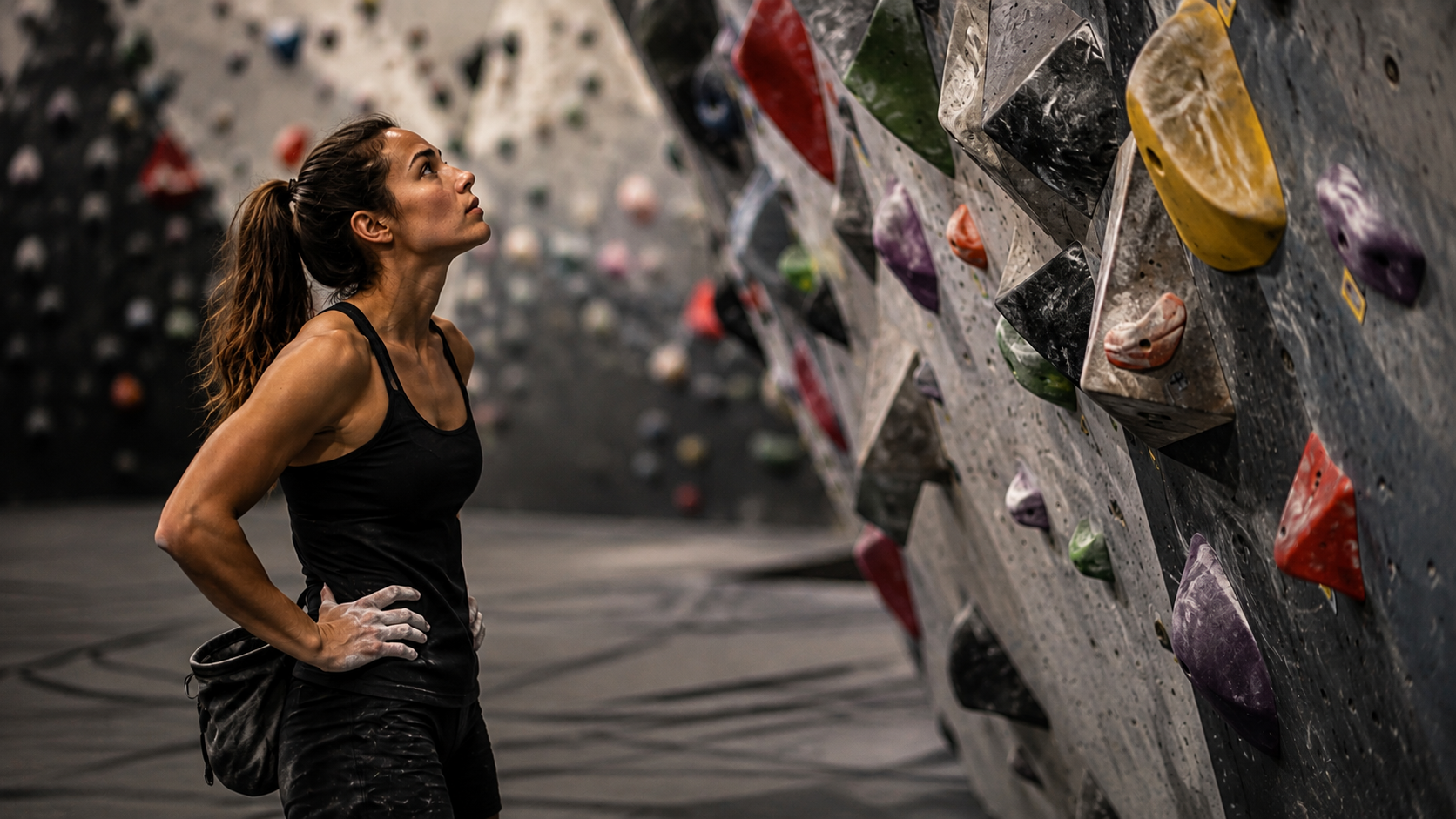
I worked with a gifted competitive Boulderer who was experiencing significant difficulty competing because of fear and pressure.
She had recently witnessed a friend take a serious fall while climbing, resulting in a severe leg injury. Although the accident had happened to someone else, seeing it had created a powerful mental association between climbing and the possibility of being seriously hurt.
She knew intellectually that she was capable and that one accident didn't mean the same thing would happen to her. But when she was competing, the memory could come back into her mind, creating hesitation and interfering with her ability to commit fully to a climb.
My role wasn't to try to erase the memory. That's neither realistic nor necessary. We can't simply remove something that has happened from an athlete's memory.
Instead, the goal was to change the emotional response attached to the memory. Through hypnosis and imagery, I worked with her subconscious mind to soften the intensity of the mental image of the accident, allowing her to separate what she had witnessed from what she was experiencing herself.
The objective was to help her rebuild a sense of safety and trust, so that she could return her attention to the climb in front of her rather than mentally reliving what had happened to someone else.
An Example of Mental Rehearsal
Now imagine yourself back in the climbing environment.
You know that memory is there, but you don't need to revisit it.
Instead, imagine seeing it from further away, as though you are watching it on a screen.
The image can become smaller now.
Further away.
Less vivid.
Less intense.
You can recognise what happened without needing to experience it again.
That was something you witnessed.
It was not your experience.
And as that image becomes softer and more distant, bring your attention back to yourself.
Feel your feet.
Feel your hands.
Feel the wall beneath your fingers.
Notice your breathing becoming calm and steady.
Look at the route in front of you.
This is your climb.
Your body knows how to move.
Trust your preparation.
Trust your ability.
You don't have to climb without awareness. You simply don't need fear to make your decisions for you.
Breathe.
Focus.
Move.
One hold at a time.
One movement at a time.
And allow yourself to experience the feeling of climbing with confidence, control and freedom.
Why I Use Mental Rehearsal
I use mental rehearsal because an athlete can practise how they want to respond to a situation before they encounter it in competition. In this case, the objective wasn't to erase a frightening memory but to reduce its emotional intensity and create a new mental association with climbing.
The athlete can repeatedly rehearse seeing the climbing environment, noticing the old thought without becoming absorbed by it, and then redirecting attention towards the present moment, the route and the movement.
For me, this is an important distinction: we don't necessarily need to remove the memory to remove its control over performance. By softening the emotional response and repeatedly rehearsing confident performance, the athlete can begin to rebuild trust in themselves and their ability to compete.