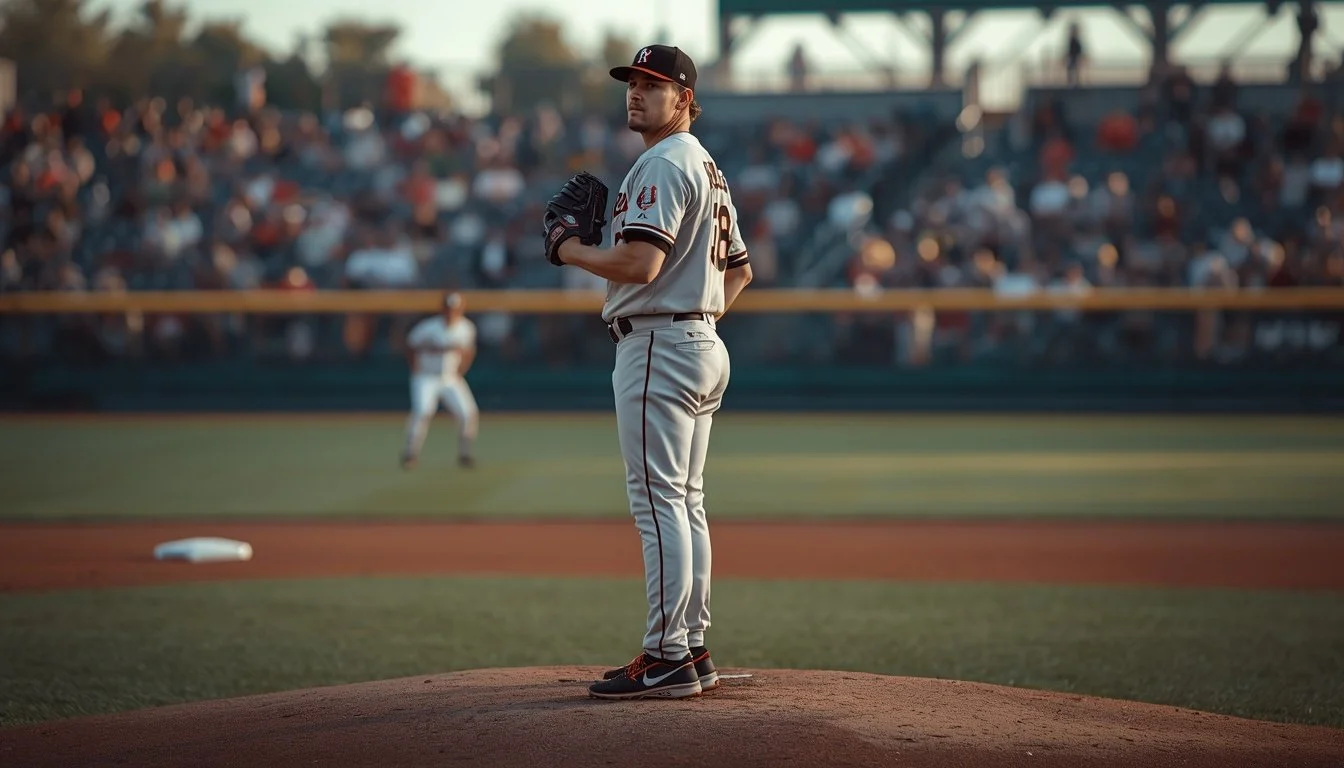
My Work With a Division 1 Baseball Pitcher
I am currently working with a highly dedicated Division 1 baseball pitcher who is strong, positive and genuinely excited about playing. He performs extremely well in practice and has developed his velocity to a highly competitive level.
His challenge wasn't his ability or confidence in his pitching. It was what happened when he was called from the bullpen to enter the game.
That moment can create a significant surge of adrenaline. The athlete suddenly knows that it is time to perform, the crowd is watching, the game is underway and there is very little time to think.
For this pitcher, I wanted to help him recognise that adrenaline as something useful rather than something that needed to be controlled or eliminated.
An Example of Mental Rehearsal
“As you hear your name called from the bullpen, notice that surge of adrenaline—and simply recognise it as your body getting ready to perform. Let that energy sharpen your focus, while your breathing settles and your mind becomes quiet. You don't need to control the adrenaline; you simply channel it into a powerful, confident first pitch
Close your eyes. Take a deep, slow breath in. Hold it for a moment. Exhale and let your shoulders drop.
Feel the familiar buzz of excitement in your chest. Notice it, accept it, and let it fuel your strength. That energy is just power waiting to be used.
Picture yourself standing on the pitcher's mound. The dirt is firm beneath your cleats. You feel the seams of the ball in your hand.
See the catcher’s mitt waiting right over the plate. It is a bright, clear target.
Hear the crowd fade into a distant hum. Your mind is quiet, sharp, and steady.
Feel your arm move with smooth, automatic rhythm. You do not force the throw. You just trust your training and let the ball flow.
With every breath, your confidence grows stronger. The nerves are there, but you are in total control.
When you open your eyes, you feel calm, ready, and completely focused on the next pitch.”
Why I Use Mental Rehearsal
I use mental rehearsal because athletes can practise how they want to respond to pressure before they experience it in competition. In the case of the baseball pitcher, we rehearsed the exact moment when he would be called from the bullpen—the surge of adrenaline, walking onto the mound, taking the ball and preparing for the first pitch.
The objective wasn't to eliminate the adrenaline. It was to help him recognise it as a normal physical response to competition and learn to channel that energy into focus and performance.
By repeatedly rehearsing the situation in his mind, the experience becomes more familiar. When the moment arrives, he doesn't have to wonder how he will respond. He has already mentally practised it: breathe, focus, trust his preparation and deliver the pitch.
That is one of the reasons I use mental rehearsal with athletes. We aren't simply imagining success—we are rehearsing the mental and physical response we want when the pressure is real.